Some links in this post are affiliate links. If you click and buy, we may earn a small commission — at no extra cost to you. We only recommend products we genuinely trust.
| Product | Price Tier | Rating | Best For | Price |
|---|---|---|---|---|
| BenQ ScreenBar Monitor Light | Premium | ⭐ 4.6 | Desk Lamp | Check Price → |
| Logitech MX Master 3 Mouse | Premium | ⭐ 4.7 | Best Productivity Mouse | Check Price → |
| Anker PowerCore 10000 Power Bank | Budget | ⭐ 4.7 | Budget Gift | Check Price → |
| Apple AirPods Pro (2nd Gen) | High-End | ⭐ 4.7 | Premium Earbuds | Check Price → |
| Ergotron LX Desk Monitor Arm | Premium | ⭐ 4.7 | Monitor Mount | Check Price → |
| Amazon Fire TV Stick 4K (2023) | Mid-Range | ⭐ 4.6 | Streaming Stick | Check Price → |
| Amazon Fire TV Stick 4K | Mid-Range | ⭐ 4.6 | Streaming | Check Price → |
| Amazon Echo Dot (5th Gen) | Mid-Range | ⭐ 4.7 | Smart Speaker / Hub | Check Price → |
| Apple AirTag (4 Pack) | Premium | ⭐ 4.6 | Best Tracker Gift | Check Price → |
| Logitech MX Master 3 | Premium | ⭐ 4.7 | Productivity | Check Price → |
Price Tier = Budget (<$30) / Mid-Range ($30–$80) / Premium ($80–$200) / High-End ($200+). Click “Check Price” for today’s exact Amazon price. *As an Amazon Associate, I earn from qualifying purchases at no extra cost to you.*
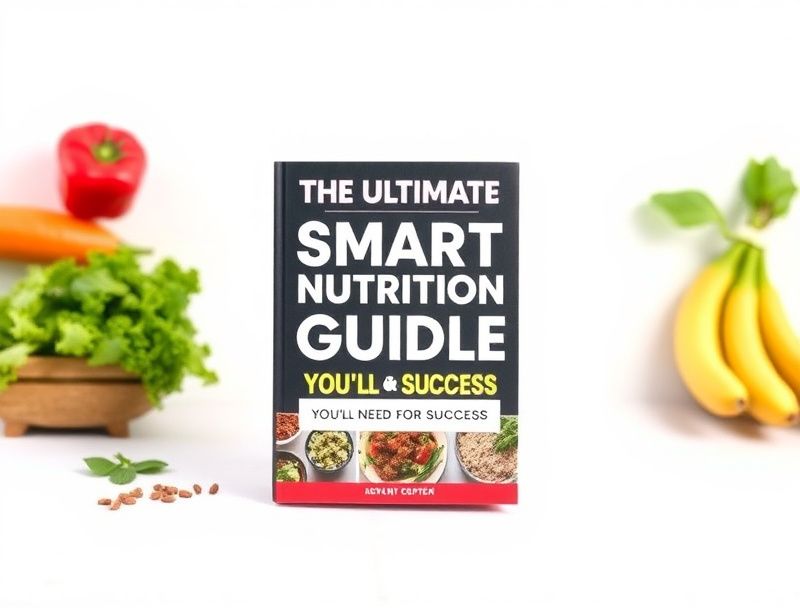
Title: The Ultimate Smart Nutrition Guide You’ll Need for Success in 2026 📊🥗
📋 Table of Contents
> *As an Amazon Associate, I earn from qualifying purchases. This helps support the site at no extra cost to you.*
You’ve probably been there: scanning countless meal plans, feeling overwhelmed by conflicting advice, and still unsure if you’re making the right nutrition choices. And honestly? Most available guides leave you with more questions than answers. But in 2026, mastering smart nutrition can transform your health journey with the right approach and the right tools in your corner.
This ultimate smart nutrition guide is your roadmap to success. You’ll walk away with concrete strategies, insights on trending nutrition technologies, and tips for achieving your health goals, whether it’s weight loss, muscle gain, or simply feeling your best.
What We’ll Cover
- Understanding Smart Nutrition
- Key Tools and Apps for Tracking
- Meal Planning Strategies
- Smart Nutrition Myths vs. Facts
Understanding Smart Nutrition
Eating smart isn’t just about counting calories; it’s about making informed choices that align with your health objectives. Here’s what you need to know:
What is Smart Nutrition?
At its core, smart nutrition revolves around making informed choices about what you eat based on your individual goals, dietary needs, and activity levels. It combines the science of nutrition with technology—think apps that track your meals or wearables that monitor your health metrics. This is crucial because studies show that smart dietary habits can enhance overall well-being and improve performance in sports and daily activities. The trend toward personalized nutrition is also on the rise; it means your diet can be tailored specifically for you based on genetics, metabolism, and lifestyle.
Nutritional Basics: Macros and Micros
When diving into smart nutrition, understanding macronutrients (macros) and micronutrients (micros) is non-negotiable. Macros include proteins, carbohydrates, and fats that provide energy and are essential for bodily functions.
- Proteins: Vital for muscle repair and growth. Aim for 20-30% of your daily intake.
- Carbohydrates: Your body’s primary energy source, accounting for about 45-65% of your diet.
- Fats: Key for hormone production and cell health—should make up around 20-35% of your intake.
Micros, including vitamins and minerals, while needed in smaller amounts, play significant roles in immunity and metabolism. For instance, Vitamin D supports bone and immune health, while magnesium aids muscle function.
Key Takeaway: To succeed with smart nutrition, understand the balance of macros and micros tailored to your personal health goals.
Adopting a Mindful Eating Approach
Mindful eating is a powerful component of smart nutrition. It involves paying full attention to your meals—the flavors, textures, and your body’s hunger signals. Research indicates that people who eat mindfully tend to make healthier food choices and enjoy their food more, leading to lower food intake and better digestion.
- Practical Tip: Before each meal, take a moment to assess your hunger levels—are you eating because you’re hungry or just out of habit?
Key Tools and Apps for Tracking
In 2026, technology plays a pivotal role in managing your nutrition effectively. Here are some must-have tools and apps that professionals recommend:
Top Nutrition Apps to Consider
- MyFitnessPal: This app simplifies tracking your food intake and exercise habits. It has a vast database of foods and allows users to log meals quickly.
- Pro Tip: Set daily goals based on your fitness objectives.
- Cronometer: Great for those who want a detailed breakdown of micro and macronutrients. It provides more in-depth information about the nutrients you consume.
- Lifesum: Combines meal tracking with recipes and meal planning—ideal for those seeking variety in their diets.
Wearable Devices for Health Tracking
Wearables like Fitbit, Apple Watch, and Whoop can monitor your calorie expenditure, heart rate, and physical activity. They provide insight into your lifestyle choices and help you adjust your nutrition accordingly. For example, a heavier workout day may require a different macronutrient distribution compared to a rest day.
Key Takeaway: Utilize technology to enhance your nutrition tracking and simplify adherence to your eating goals.
Meal Planning Strategies
An effective meal planning strategy is the backbone of smart nutrition. Without it, sticking to healthy eating can feel like an uphill battle.
Create a Weekly Meal Plan
- Step 1: Decide on a specific day each week to commit to meal planning—Sunday is popular for many.
- Step 2: Assess what you already have in your kitchen to minimize waste. Plan meals around those ingredients.
- Step 3: Ensure you balance macros across meals; having a source of protein, healthy fats, and fiber in every meal keeps you full longer.
Batch Cooking and Meal Prep
Batch cooking is a time-saver and can help you resist the temptation of unhealthy options. Cook large portions of staples (like grains, proteins, and veggies) and store them in portioned containers. This method guarantees you’ll always have a healthy option available, even on your busiest days.
Key Takeaway: Consistent meal planning and prep are vital for maintaining smart nutrition habits and preventing last-minute unhealthy choices.
Smart Nutrition Myths vs. Facts
As you navigate your nutrition journey, you’ll encounter a multitude of myths. Let’s debunk some common misconceptions:
- Myth: Carbs are bad for you.
Fact: Carbohydrates are essential for energy—especially if you’re physically active. The quality of carbs matters; opt for whole grains and fiber-rich sources.
- Myth: You need to eat tiny meals every few hours.
Fact: The frequency of meals is personal. Some people thrive on three square meals, while others prefer smaller, more frequent meals to manage appetite and energy levels.
Key Takeaway: Stay informed and critical of the nutrition information you come across. Focus on evidence-based facts, rather than popular myths.
Frequently Asked Questions
Q1. What is smart nutrition?
A: Smart nutrition emphasizes personalized dietary choices based on individual goals, health needs, and preferences. It integrates technology, such as meal-tracking apps, to enhance meal planning and eating habits.
Q2. Are nutrition apps worth it?
A: Yes, nutrition apps can be beneficial for monitoring food intake, calorie expenditure, and nutritional balance. They simplify tracking and provide insights that can help you stay accountable to your goals.
Q3. How can I effectively meal prep?
A: Begin your meal prep by setting aside a specific day to plan and cook. Choose recipes that are easy to batch cook and utilize versatile ingredients that can be mixed and matched throughout the week.
Q4. Are all carbohydrates bad?
A: No, not all carbohydrates are bad. It’s essential to differentiate between refined carbs (like white bread) and complex carbs (like whole grains). Focus on fiber-rich and nutritious sources for optimal health.
Key Takeaways
- ✅ Understand and balance macros and micros tailored to your health goals.
- ✅ Use technology effectively for tracking your nutrition and enhancing meal planning.
- ✅ Dedicate time weekly for meal planning to ensure healthier food choices.
- ✅ Debunk common nutrition myths to stay on track with evidence-based facts.
- ✅ Mindful eating techniques can improve your relationship with food and enhance satisfaction.
Conclusion
This comprehensive guide should arm you with the tools and knowledge to approach smart nutrition effectively. You’re now equipped to tailor your diet to fit your individual goals in 2026.
What’s the #1 thing you’re looking for in your nutrition journey? Tell us in the comments — we read every reply! 👇
If you found this helpful, check out our related articles on meal planning strategies and nutrition tracking tools.
Found this guide helpful? Save it to your Pinterest board so you can find it again when you’re ready to buy! 📌