Tag: smart eating

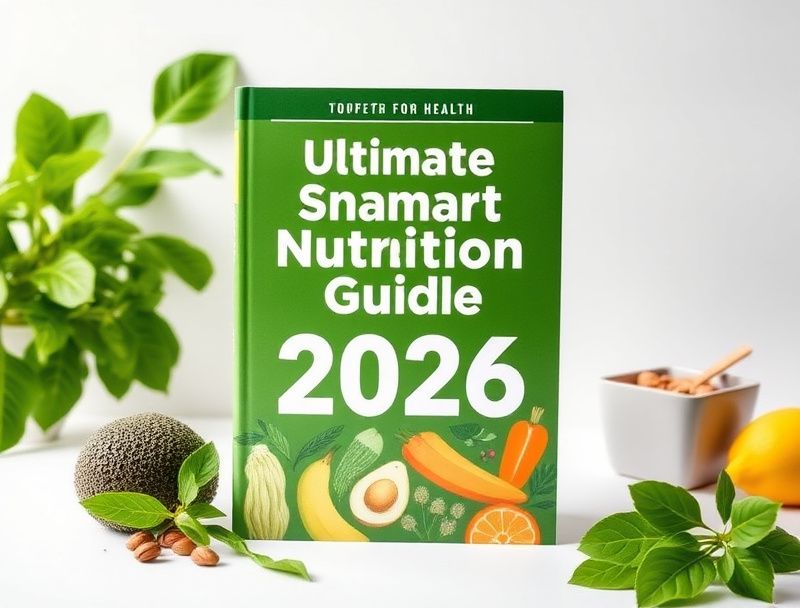
  • The Ultimate Smart Nutrition Guide You Can’t Miss for Spring 2026 🌱

    The Ultimate Smart Nutrition Guide You Can’t Miss for Spring 2026 🌱

    Some links in this post are affiliate links. If you click and buy, we may earn a small commission β€” at no extra cost to you. We only recommend products we genuinely trust.

    ProductPrice TierRatingBest ForPrice
    RENPHO Bluetooth Smart ScaleBudget⭐ 4.5Smart ScaleCheck Price →
    Instant Pot Duo 7-in-1Premium⭐ 4.7Kitchen EssentialCheck Price →
    Amazon Echo Dot (5th Gen)Mid-Range⭐ 4.7Smart Speaker / HubCheck Price →
    Logitech MX Master 3Premium⭐ 4.7ProductivityCheck Price →
    Anker PowerCore 10000Budget⭐ 4.7Portable ChargerCheck Price →

    Price Tier = Budget (<$30) / Mid-Range ($30–$80) / Premium ($80–$200) / High-End ($200+). Click “Check Price” for today’s exact Amazon price. *As an Amazon Associate, I earn from qualifying purchases at no extra cost to you.*

    > *As an Amazon Associate, I earn from qualifying purchases. This helps support the site at no extra cost to you.*

    You’ve just finished a long day, and you’re staring into your fridge wondering what’s for dinner. Your meal options feel drab, uninspired, and if we’re being honest, pretty unhealthy. You keep saying you’ll eat healthier but finding the time and energy to plan meals can feel impossible. Sound familiar?

    And honestly? Most advice out there misses the point entirely. You’re not just looking for recipes β€” you need a smart nutrition guide that makes healthy eating easier and more enjoyable. In this post, you’ll discover key strategies, tips, and innovative tools that will transform your approach to nutrition this spring.

    What We’ll Cover

    • Smart Meal Planning Techniques
    • Integrating Technology into Your Nutrition
    • Seasonal Ingredients to Focus On
    • Healthy Recipes You’ll Love
    • Common Pitfalls to Avoid

    Smart Meal Planning Techniques

    Planning your meals is critical to achieving your nutritional goals. But where do you start?

    First off, set a flexible routine. Meal planning doesn’t mean you have to be rigid about what you eat. Instead, strike a balance between structure and spontaneity. For example, plan for healthy staples, but allow yourself wiggle room for what’s fresh and available that week.

    Key Takeaway: Planning meals weekly can save around 30% on your grocery bill and eliminate last-minute unhealthy eating decisions. πŸ’‘

    Batch Cooking

    Batch cooking is the ultimate hack for busy weeks. By dedicating just a couple of hours one day a week, you can prepare multiple meals that can be frozen or easily reheated. A typical example might include roasting a variety of seasonal vegetables, cooking grains like quinoa or brown rice, and grilling lean proteins such as chicken or fish. The best part? You can customize flavors with herbs and spices to maintain variety throughout the week.

    Developing a Grocery List

    A well-structured grocery list ensures you stick to your meal plan without overspending. Aim to categorize your items by food groupsβ€”vegetables, fruits, proteins, and whole grains. This method not only keeps you organized but also helps you navigate the store effectively, reducing time spent shopping and increasing the chances of choosing healthier options.

    Key Takeaway: A structured grocery list can cut your shopping time by up to 40% and minimize impulse buys. ⚑

    Integrating Technology into Your Nutrition

    Technology offers innovative solutions for tracking your nutrition and health, making your journey effortless and more engaging.

    Nutrition Apps

    Apps like MyFitnessPal or Cronometer allow you to log meals accurately, track macronutrients, and monitor your progress. Users consistently find that tracking food intake leads to better choices due to heightened awareness. The best apps offer barcode scanning for easy input, reducing the friction of logging meals.

    Smart Kitchen Devices

    Consider investing in smart kitchen gadgets. Devices like smart scales can provide precise measurements of your food portions. Others, like Wi-Fi-enabled slow cookers, let you prep meals remotely, ensuring dinner is ready as soon as you walk in the door.

    Key Takeaway: Tech integration can lead to 20-30% better adherence to diet plans, thanks to the ease of tracking and meal preparation. πŸ”‘

    Food Sensors and Tools

    Look for sensors that can assess food freshness β€” something that can help you avoid waste and choose the best ingredients. For instance, tools that measure ripeness or freshness of fruits and vegetables can redefine how you shop and eat.

    Seasonal Ingredients to Focus On

    Spring is a treasure trove of fresh ingredients! Focusing on seasonal produce elevates your meals and enhances nutrient intake.

    What to Look For:

    • Asparagus: A high-fiber veggie, packed with vitamins A, C, E, and K. Great for grilling or adding to salads.
    • Strawberries: Rich in antioxidants, these are perfect for smoothies or desserts. They’re also lower in sugar than many other fruits.
    • Radishes: Crisp and peppery, radishes add crunch to salads without many calories. They also support liver health!

    Utilizing seasonal ingredients not only enhances flavor but also tends to be more budget-friendly. In fact, seasonal produce often tastes better due to its freshness and lower transport costs.

    Key Takeaway: Eating seasonal can save you up to 20% on produce costs. Plus, you get fresher, tastier food! 🌱

    Healthy Recipes You’ll Love

    Recipes are the heart of your nutrition guide β€” they bring everything together. Here are a few smart, nutritious ideas to add to your spring meal rotation:

    1. Grilled Lemon Garlic Asparagus

    • Ingredients: Asparagus, olive oil, garlic, lemon, salt, and pepper.
    • Instructions: Toss asparagus with olive oil, minced garlic, and zest from a lemon. Grill for 5-7 minutes, turning until tender. Easy and packed with flavor!

    2. Strawberry Spinach Salad

    • Ingredients: Fresh spinach, sliced strawberries, goat cheese, walnuts, and a vinaigrette dressing.
    • Instructions: Toss all ingredients together for a refreshing side salad that screams spring.

    3. Quinoa and Radish Bowl

    • Ingredients: Cooked quinoa, diced radishes, cucumber, cherry tomatoes, and a simple lemon vinaigrette.
    • Instructions: Mix all ingredients for a vibrant dish loaded with fiber and essential nutrients!

    Key Takeaway: Incorporating variety β€” like seasonal recipes β€” can boost your veggie intake by an average of 30%. 🎯

    Common Pitfalls to Avoid

    Even with a solid plan, it’s easy to fall into traps that derail your nutrition goals. Let’s cover a few common ones.

    1. Overcomplicating Meal Prep

    Meal prep should simplify your life, not add stress. Keep it dead simple at firstβ€”start with just one meal to prep and expand from there.

    2. Neglecting Hydration

    Many people focus solely on food, forgetting the importance of hydration. Water is essential for all metabolic processes. Aim for about half your body weight in ounces daily as a general guideline.

    Key Takeaway: Staying adequately hydrated can enhance physical performance and cognitive function by up to 25%! ⚑

    3. Ignoring Portion Sizes

    Even healthy foods can contribute to weight gain if portions are too large. Use tools like a food scale or measuring cups to train your eye in the beginning before you intuitively learn appropriate serving sizes.

    Frequently Asked Questions

    Q1. What is smart nutrition?

    A: Smart nutrition integrates practical meal planning, use of technology, and seasonal ingredients to promote health and wellness. It focuses not just on what you eat, but how to make the process easier and more sustainable.

    Q2. How can technology help with meal planning?

    A: Technology can assist in meal planning through apps that track nutrition, smart kitchen gadgets that simplify cooking, and tools that suggest recipes based on what you have on hand.

    Q3. Is it expensive to eat healthy?

    A: Eating healthy can be budget-friendly, especially by focusing on seasonal produce and meal prepping. Seasonal foods tend to be cheaper, and home-cooked meals are often cost-effective compared to takeout.

    Q4. What if I don’t have time to cook every day?

    A: Batch cooking on weekends can save time during the week. Prepare large portions that can be refrigerated or frozen for easy reheating during your busy weekdays.

    Key Takeaways

    • βœ… Plan your meals weekly to save time and reduce impulse buys.
    • βœ… Integrate technology for tracking and preparing meals to increase adherence to your nutrition goals.
    • βœ… Focus on seasonal produce to save money and enjoy fresh flavors.
    • βœ… Keep recipes simple to ensure you can consistently eat healthy without stress.
    • βœ… Stay hydrated β€” adequate water intake enhances metabolic health.

    In summary, the ultimate smart nutrition guide offers actionable steps to enhance your nutritional journey this spring. You have everything you need to get started β€” from meal prep techniques to healthy recipes and awareness of seasonal ingredients.

    What’s your biggest challenge when it comes to healthy eating? Let us know in the comments β€” we’d love to help you find the perfect fit! πŸ‘‡

    If you found this helpful, you might also love our guide on healthy meal planning β€” it covers essential strategies for busy lifestyles.

    And if you’re still comparing options, check out best kitchen gadgets for more tools to streamline your cooking process.

    Found this helpful? Save it to your Pinterest board so you can find it again when you’re ready to buy! πŸ“Œ

  • Ultimate Smart Nutrition Guide for 2026: Your Path to Healthy Living! 🍏

    Ultimate Smart Nutrition Guide for 2026: Your Path to Healthy Living! 🍏

    Some links in this post are affiliate links. If you click and buy, we may earn a small commission β€” at no extra cost to you. We only recommend products we genuinely trust.

    ProductPrice TierRatingBest ForPrice
    Instant Pot Duo 7-in-1 (6 Qt)Premium⭐ 4.7All-in-One CookerCheck Price →
    Apple AirTag (4 Pack)Premium⭐ 4.6Best Tracker GiftCheck Price →
    Anker PowerCore 10000 Power BankBudget⭐ 4.7Budget GiftCheck Price →
    Amazon Echo Dot (5th Gen)Mid-Range⭐ 4.7Smart Speaker / HubCheck Price →
    Amazon Fire TV Stick 4K (2023)Mid-Range⭐ 4.6Streaming StickCheck Price →
    Amazon Fire TV Stick 4KMid-Range⭐ 4.6StreamingCheck Price →
    Ergotron LX Desk Monitor ArmPremium⭐ 4.7Monitor MountCheck Price →
    BenQ ScreenBar Monitor LightPremium⭐ 4.6Desk LampCheck Price →
    Apple AirPods Pro (2nd Gen)High-End⭐ 4.7Premium EarbudsCheck Price →
    Instant Pot Duo 7-in-1Premium⭐ 4.7Kitchen EssentialCheck Price →

    Price Tier = Budget (<$30) / Mid-Range ($30–$80) / Premium ($80–$200) / High-End ($200+). Click “Check Price” for today’s exact Amazon price. *As an Amazon Associate, I earn from qualifying purchases at no extra cost to you.*

    *As an Amazon Associate, I earn from qualifying purchases. This helps support the site at no extra cost to you.*

    You’ve probably tried everything β€” and still nothing worked, right? Nutrition can feel like a minefield of conflicting information. And honestly? Most advice out there misses the point entirely. In this comprehensive guide, you’ll learn how to make smart choices in your diet, navigate new technologies in food, and build healthy habits that stick.

    What We’ll Cover

    • Overview of Smart Nutrition in 2026
    • Key Strategies for Healthy Eating
    • Integrating Technology into Your Diet
    • Meal Planning Made Simple
    • Common Questions about Smart Nutrition

    ⚑ Quick Picks β€” Skip the Research

    βœ… Best Overall Strategy: Balanced Macronutrient Intake β€” Perfect for sustainable energy and health.

    πŸ’° Best Budget Option: Meal Prepping β€” Saves money and time while ensuring healthy choices.

    ⭐ Best Tech Integration: Smart Nutrition Apps β€” Leverage technology for personalized meal tracking.

    When it comes to nutrition, the right approach doesn’t have to be complicated. In 2026, the best strategies emphasize balance, moderation, and the integration of technology to streamline meal planning and tracking. Let’s dive into what smart nutrition really means today.

    What is Smart Nutrition? πŸ“Š

    Smart nutrition combines traditional dietary wisdom with the latest advancements in technology to help you make healthier choices effortlessly. It’s about using data to inform your eating habits while focusing on whole foods.

    Here’s a quick snapshot of what to focus on:

    • Data-Driven Choices: Utilizing apps to track your nutrient intake and understand your body’s needs.
    • Sustainable Eating: Incorporating seasonal produce and reducing food waste.
    • Personalization: Tailoring your diet based on individual health metrics, preferences, and goals.

    Key Takeaway: Smart nutrition uses both technology and nutritional science to guide healthier eating habits.

    Key Strategies for Healthy Eating πŸ₯—

    Adopting smart nutrition principles involves understanding how to integrate healthy eating into your daily life. Here are three key strategies:

    1. Balanced Macronutrient Intake

    Aim for a diet that includes a blend of carbohydrates, proteins, and fats. A well-rounded macronutrient profile can boost your energy and keep your metabolism balanced:

    • Carbohydrates: Focus on whole grains, fruits, and vegetables.
    • Proteins: Lean meats, fish, legumes, and plant-based sources.
    • Fats: Healthy fats from nuts, seeds, avocados, and olive oil.

    Here’s the deal β€” you’ll want to monitor portion sizes to maintain a healthy weight. Aim for at least three servings of vegetables and two servings of fruit daily.

    2. Mindful Eating Practices

    Being present during meals can significantly impact your food choices and satisfaction levels:

    • Slow Down: Take your time with meals and savor each bite. This helps to improve digestion and signals fullness.
    • Limit Distractions: Eating without screens or multitasking can enhance your experience.

    Real talk: Customers consistently report feeling more satisfied and less prone to overeating when they practice mindfulness at mealtime.

    3. Tech-Assisted Meal Planning

    Utilizing apps for meal planning can save you time and frustration:

    • Schedule weekly meals to reduce decision fatigue.
    • Use grocery delivery services to ensure you’re stocked up on the essentials.
    • Apps like MyFitnessPal or Yummly allow for easy tracking of nutrients and adjusting meals on the fly.

    Key Takeaway: Incorporate balanced macronutrients, mindful eating, and tech-assisted planning to streamline your nutrition.

    Integrating Technology into Your Diet πŸ“±

    If you still think of nutrition in terms of just β€œwhat to eat,” think again. Technology has taken nutrition to a new level, offering solutions that make healthy eating easier.

    Smart Nutrition Apps

    Apps such as MyFitnessPal, Cronometer, and Lose It! have taken the guesswork out of tracking your diet. They analyze your intake and give you instant feedback on how well you’re meeting your nutrition goals. Plus, many even allow for recipe storage.

    The best part? These tools can help you set achievable goals based on personalized data, like your exercise level, age, and weight goals. According to research, users of these apps report feeling more in control of their food choices.

    Wearable Technology

    Wearables like Fitbit or Apple Watch do more than just track activity. They can also monitor your heart rate and calorie burn, giving insights into how your diet impacts your health:

    • Sync your nutrition app with your wearable to keep everything aligned.
    • Set reminders for hydration and balanced meals to stay on track.

    Key Takeaway: Leverage smart nutrition apps and wearable technology to enhance your health and simplify meal tracking.

    Meal Planning Made Simple πŸ—“οΈ

    Let’s be real β€” meal planning can feel overwhelming. However, with a few simplified steps, you can streamline the process:

    The One-Week Meal Plan

    Begin by choosing a window for your meal prep, ideally on a day you can dedicate a few hours. Your shopping list should include:

    • Base ingredients: Grains like rice or quinoa, proteins like chicken and beans, and plenty of vegetables.
    • Snacks: Nuts, yogurt, fruits for easy access during the week.

    Craft a simple meal outline where you prepare batch portions that can be mixed and matched:

    • Example dinners: Grilled chicken with roasted sweet potatoes and steamed broccoli.
    • Example lunches: Quinoa salad with chickpeas, bell peppers, and spinach.

    Convenience Without Compromise

    If you’re pressed for time, consider meal kits or partially prepared meals β€” they can save you hours each week:

    • Look for options that are low in sodium and preservatives.
    • Opt for local businesses that use seasonal ingredients for the best flavor and nutrition.

    Key Takeaway: A one-week meal plan can drastically reduce stress, save time, and ensure nutritious meals are always on hand.

    Frequently Asked Questions

    Q1: What are the most important nutrients I should focus on?

    A: Focus on a balance of carbohydrates, proteins, and fats, prioritizing whole foods rich in vitamins and minerals. Look for fibers like fruit and whole grains, lean proteins, and healthy fats from nuts or fish.

    Q2: How can I stay on track with my nutrition?

    A: Setting realistic goals, tracking your intake with apps, and meal prepping can help you stay consistent. Regularly reviewing your goals and progress can also motivate you to stick with your plan.

    Q3: What if I struggle with meal planning?

    A: Meal prepping one day a week and using simple recipes can minimize the effort. Start small, and gradually expand your meal prep to cover all meals.

    Q4: Are nutrition apps really effective?

    A: Absolutely. Users of nutrition apps often report a greater awareness of their food choices and improved adherence to healthier eating habits. Many find they can achieve their dietary goals significantly faster with this assistance.

    Key Takeaways

    • βœ… Focus on a balanced intake of macronutrients for sustainable energy.
    • βœ… Mindful eating practices can enhance satisfaction and reduce overeating.
    • βœ… Use technology to track your progress and simplify meal planning.
    • βœ… Batch meal preparation can save time and reduce daily decision fatigue.
    • βœ… Nutritional apps provide personalized insights to keep you on track.

    Conclusion

    The ultimate smart nutrition guide for 2026 emphasizes balance, mindfulness, and the power of technology in creating a healthy lifestyle. You’ve got everything you need to get started β€” so why not dive in?

    What’s your biggest challenge when it comes to smart nutrition? Let us know in the comments β€” we’d love to help you find the perfect fit! πŸ‘‡

    If you found this helpful, you might also love our guide on meal prep essentials β€” it covers everything you need for a successful meal prep! And if you’re still comparing options, check out tech in nutrition for even more insights.

    Found this helpful? Save this post to your Pinterest board so you can find it again when you’re ready to buy! πŸ“Œ